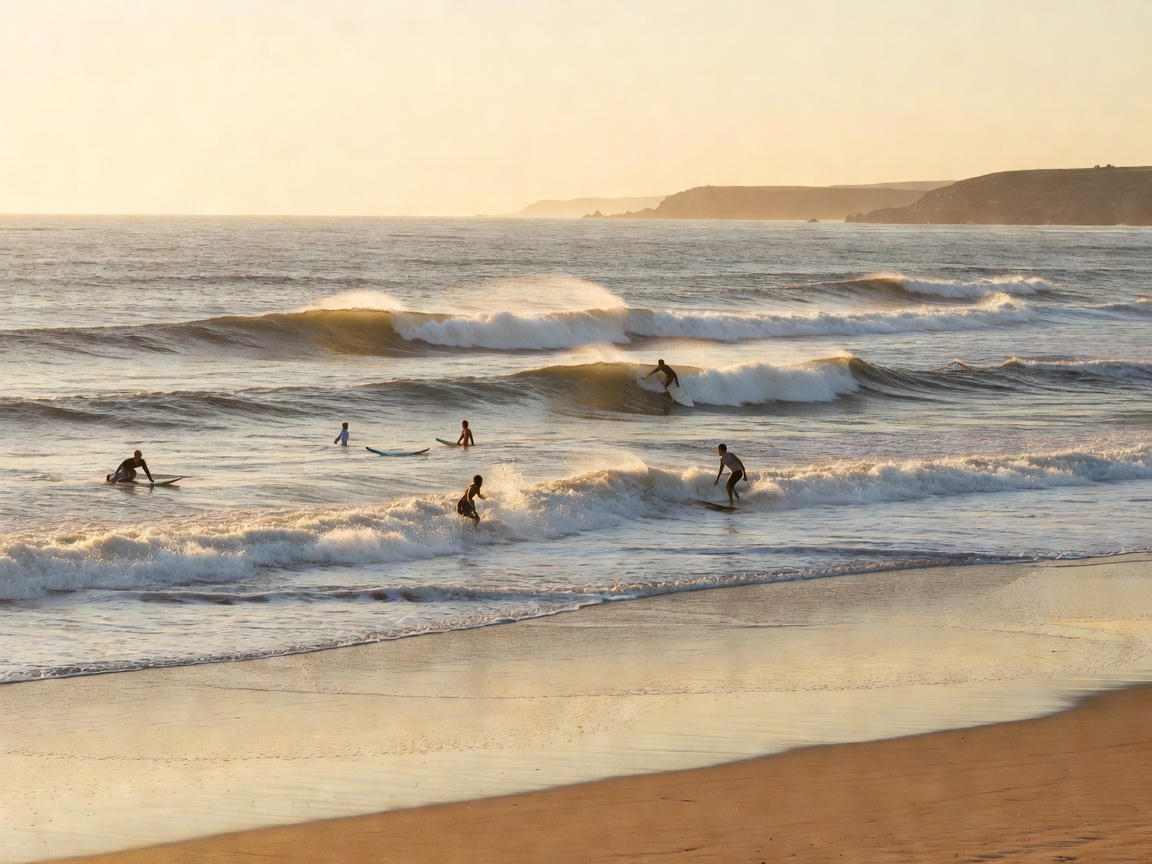
 Beach break
Fistral Beach
Fistral’s exposed Atlantic position and beach-break peaks make it a useful lesson in variability. A calmer corner or a larger swell can require entirely different decisions.
Beach selection / field note 08
The useful question is not “which beach is best?” but “what is this beach doing today, and does that fit my experience?”
Beach breaks form over sandbars. Their peaks can shift after storms and tides, so an easy-looking patch can become a dumping shorebreak a few metres away. Point breaks wrap along a headland or contour and may produce more predictable lines, but access, rocks and a concentrated lineup can increase the consequences of poor positioning. Reef breaks break over coral or rock; they reward local knowledge and are not automatically a beginner setting.
That classification is only a first note. Wind can turn clean faces into chop. A rising tide can cover hazards or change where a wave stands up. A distant swell can make a familiar beach much more serious. Read a current local forecast, watch from land, and listen when lifeguards or qualified instructors advise against entering.
| Break type | What to observe | Useful first-session choice |
|---|---|---|
| Beach break | Shifting peaks, shorebreak, rip channels and room between riders. | A small, uncrowded whitewater area identified by a local instructor. |
| Point break | Entry and exit, rocks, paddle route and a lineup that may be tightly organised. | Watch first; surf only when conditions and local guidance suit you. |
| Reef break | Depth, tide, reef exposure, channels and board-control consequences. | Usually observation or experienced, guided progression rather than a first attempt. |
Beach breakFistral’s exposed Atlantic position and beach-break peaks make it a useful lesson in variability. A calmer corner or a larger swell can require entirely different decisions.
 Point break
Malibu’s point-break identity is inseparable from a busy, shared lineup. Observe priority and paddling routes before imagining your own ride.
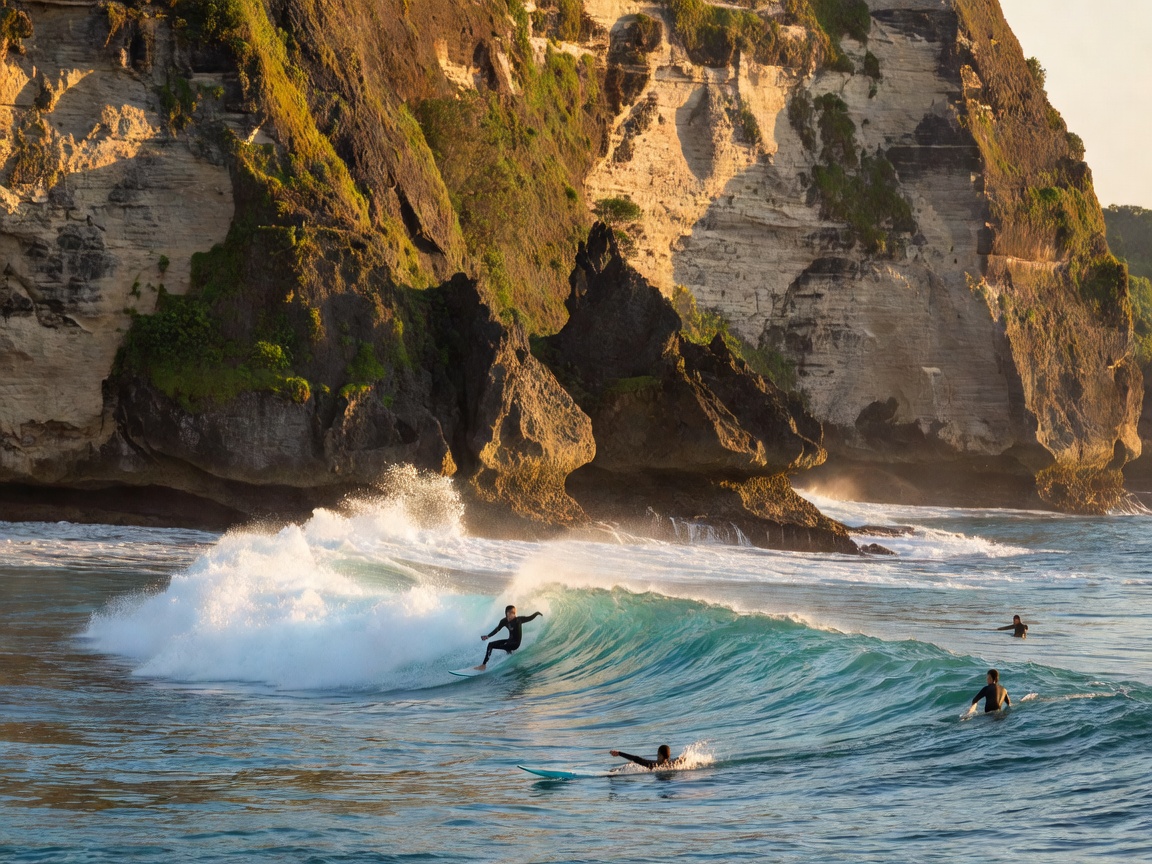 Reef setting
Uluwatu is internationally known for reef waves beneath cliffs. Its power, tide sensitivity and entry considerations make it a place to respect, not a universal goal.
About cookies
Some cookies are needed for the site to work. Others help us understand how it is used. You can change your choice later. More about cookies