 Oʻahu, Hawaiʻi
Waikiki
Waikiki’s longboarding history is reflected in its rolling reef waves. It is also a dense urban beach with shared peaks, reef and high visitor numbers. Learn local priority before paddling out.
World notes / field note 10
Famous waves are landmarks in surf culture, not a checklist. Read each through its geography, conditions and community.
Oʻahu, HawaiʻiWaikiki’s longboarding history is reflected in its rolling reef waves. It is also a dense urban beach with shared peaks, reef and high visitor numbers. Learn local priority before paddling out.
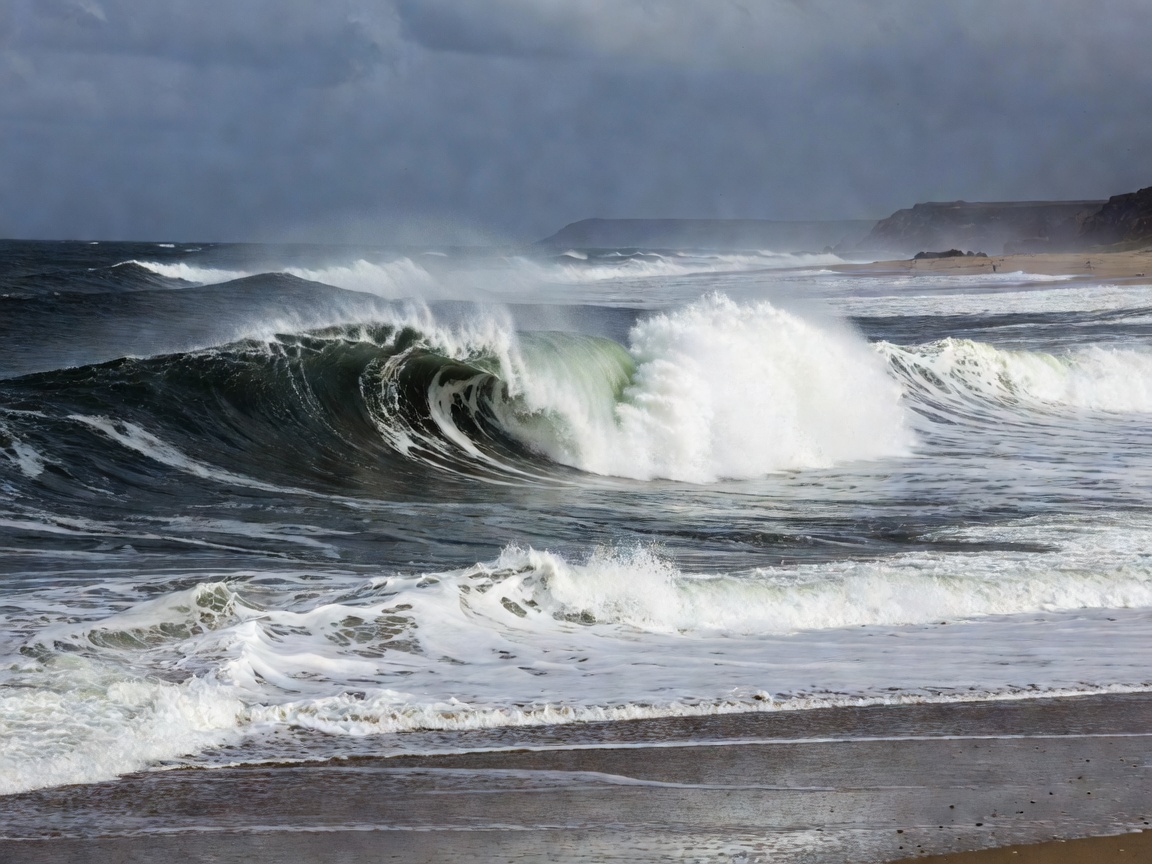 Cornwall, England
A defining British surf beach, Fistral has hosted major contests and receives Atlantic swell. Sandbars and wind make it a live lesson in why a beach break’s character changes.
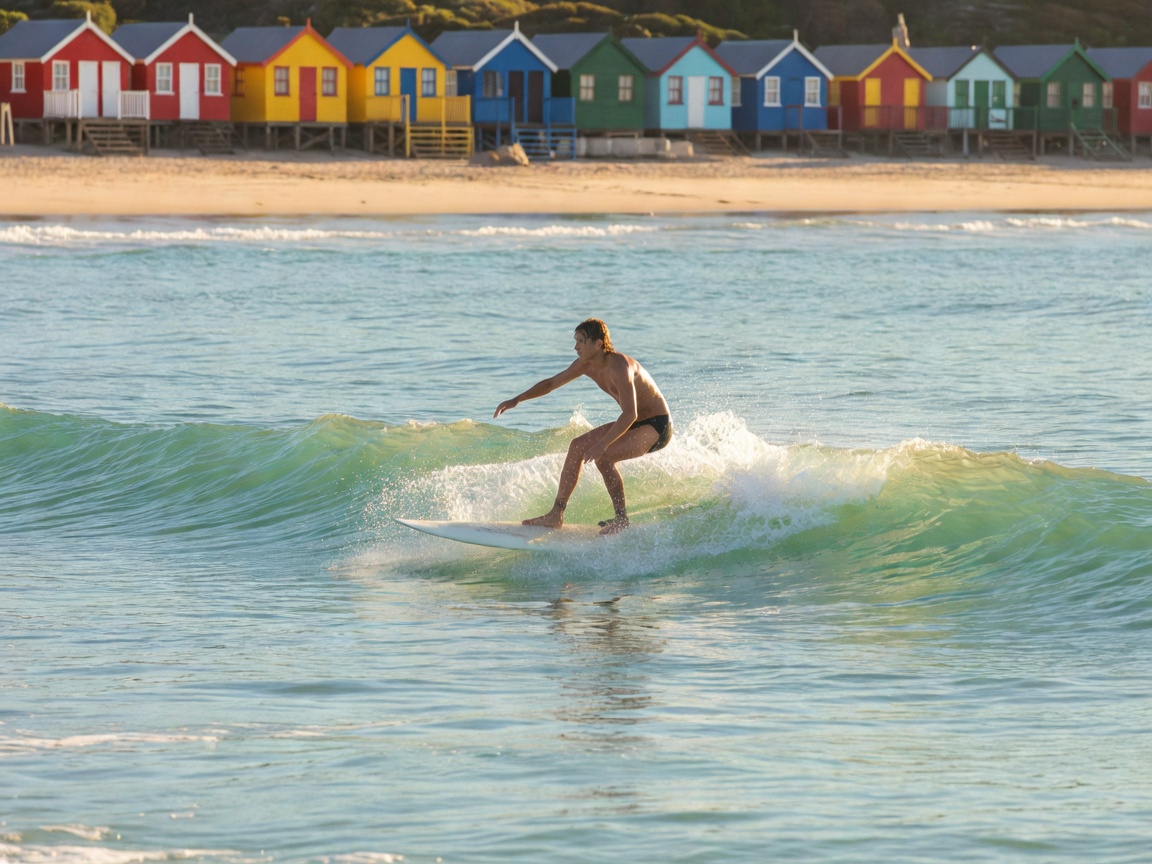 Cape Town, South Africa
Muizenberg’s wide shoreline and colourful huts are familiar images of South African surfing. Its teaching scene is valuable context, not a replacement for a current safety assessment.
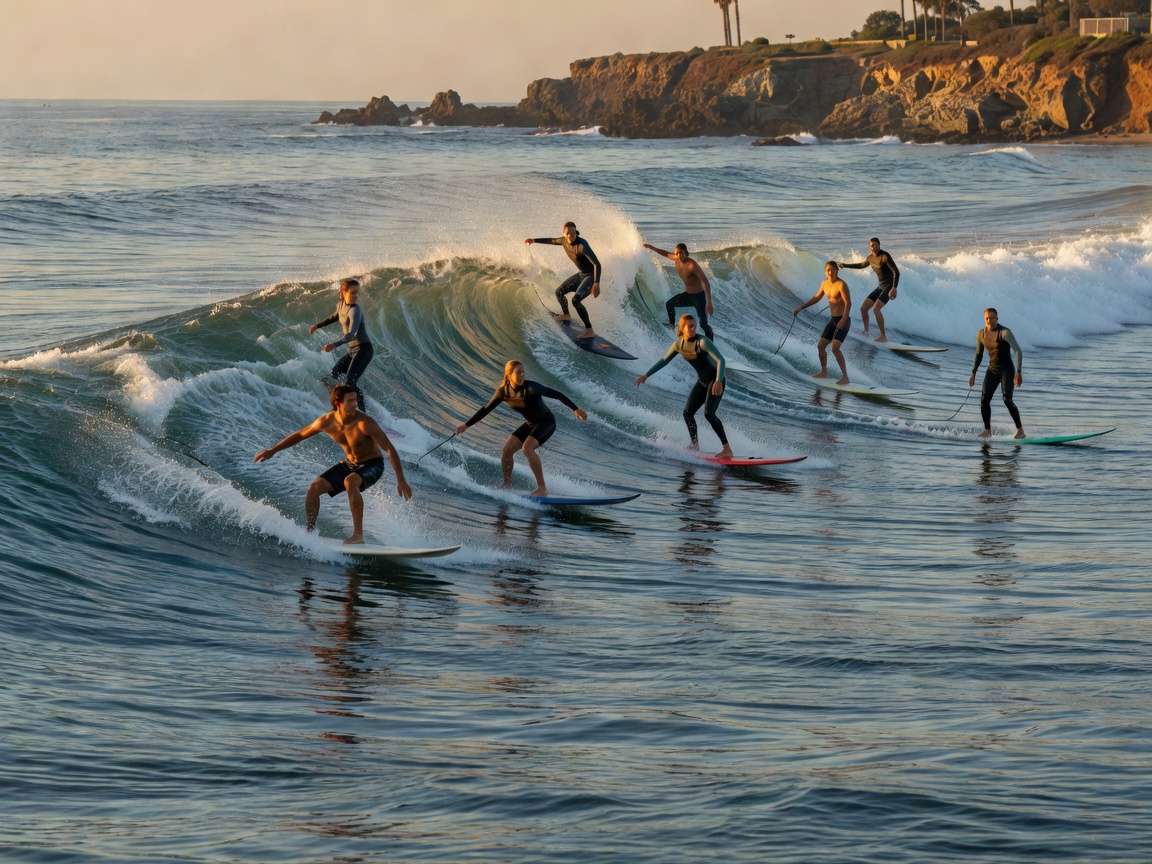 California, United States
Malibu’s point waves are woven into surfing’s modern story. When a lineup is crowded, patience, positioning and yielding priority matter as much as wave quality.
 Bali, Indonesia
Uluwatu’s reef breaks sit under dramatic cliffs on the Bukit Peninsula. Tide, swell size, current and access make careful local knowledge especially important.
Before visiting a celebrated spot, seek local forecasts, designated access information, marine and beach safety guidance, and instruction from people who know that coastline. Avoid treating residents’ everyday surf as a visitor attraction. Respect closures, stay out of sensitive dune and reef areas, and let a no-go decision remain a successful piece of travel.
About cookies
Some cookies are needed for the site to work. Others help us understand how it is used. You can change your choice later. More about cookies